Things to Do in Vancouver: The Local's Guide
Vancouver is one of the few cities where you can walk a seawall along the Pacific in the morning and be standing on a glacier by early afternoon. That's the whole appeal, and it's also why "what should I actually do here" is a harder question than it looks — the answer depends on whether you have an afternoon, three days, or a week, and whether you're doing it with kids, a partner, or a group of friends splitting the cost of a van.
This guide is organized by what you're after, not by a random top-10 list. Every section links to how we'd actually do it, since that's the business we're in.
Downtown Vancouver and Stanley Park
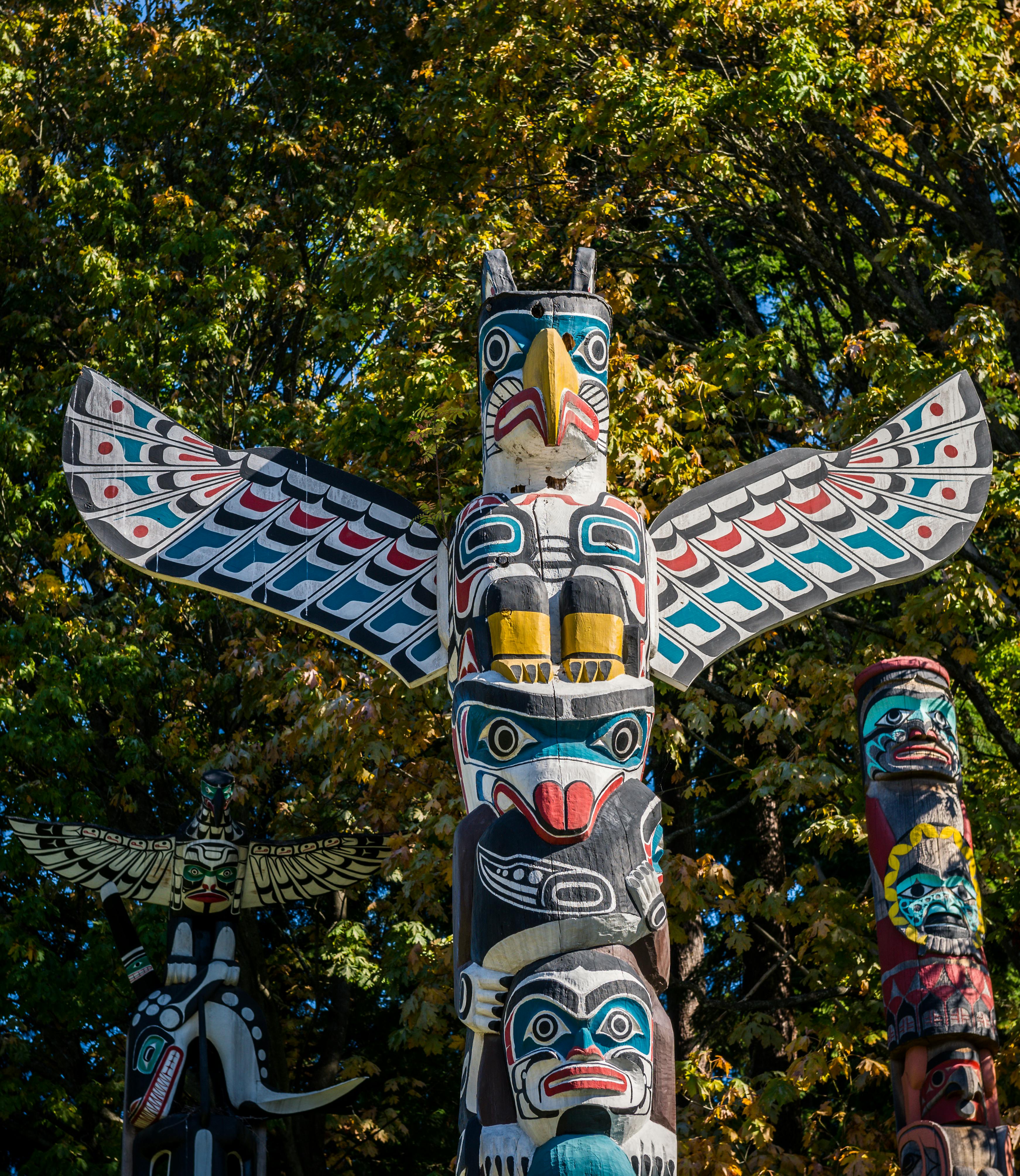
Start where most visitors start: Canada Place, the sail-roofed convention centre on the waterfront, then walk into Stanley Park. The totem poles at Brockton Point are the single most-photographed spot in the city for a reason — they're real First Nations carvings, not replicas, and each one tells a different story. The seawall around the park is almost 9 km if you walk the whole loop, with the Lions Gate Bridge in view from Prospect Point.
From there, most people continue to Granville Island (a public market and artisan studios right on the water), Gastown (cobblestone streets and the steam clock), and Chinatown, one of the oldest in North America. Doing all four in one day on foot is ambitious; doing them as a guided loop is a lot more relaxed.
This exact route is our Vancouver City Tour: 5 hours, small group, bilingual guide, hotel pick-up included.
Free Things to Do in Vancouver
Vancouver is expensive to sleep and eat in, but a surprising amount of what makes it worth visiting costs nothing: the Stanley Park seawall, the beaches at English Bay and Kitsilano, browsing (not buying) at Granville Island, and just walking Gastown and Chinatown. If you want a view without paying for a gondola ticket, Queen Elizabeth Park has one of the best free lookouts in the city.
The North Shore: Mountains 20 Minutes from Downtown
Cross the bridge and the whole pace of the city changes. The Capilano Suspension Bridge is the famous one — 70 meters above the canyon, plus the Cliffwalk along the rock face — and Grouse Mountain is right next to it, with a gondola ride up and a lookout over the entire city. It's genuinely one of the best half-day trips from downtown, and it doesn't require renting a car.
The North Vancouver Tour covers both stops in about 6 hours, with transportation handled.
Vancouver with Kids
Families tend to gravitate toward Stanley Park (there's a small aquarium and a miniature train inside it), the beaches, and Science World's exterior geodesic dome on False Creek. For anything involving a car — including a private tour or airport transfer — ask about a car seat or booster; it's a normal request here and shouldn't come with a surcharge.
We include baby and booster seats at no extra cost on every tour and transfer, just let us know your child's age when booking.
A Day Trip to Whistler
If you only take one trip out of the city, make it this one. The Sea to Sky Highway between Vancouver and Whistler is genuinely one of the best drives in Canada, with Shannon Falls (BC's third-tallest waterfall) and Brandywine Falls as stops along the way. Whistler Village itself is fully pedestrian, with the PEAK 2 PEAK Gondola connecting Whistler and Blackcomb mountains if you want the view from above.
Whistler is about 120 km from Vancouver, roughly 2 hours each way. Doing it without a car is entirely realistic — you just need transportation that isn't a shared bus on someone else's schedule.
Our Whistler Day Trip turns the drive itself into part of the day, with real stops instead of just windshield time. If you're just passing through on your way to stay in Whistler, the YVR to Whistler private transfer is the direct option, with room for ski gear and free car seats for families.
Beyond Whistler: Squamish and Victoria
Squamish, halfway between Vancouver and Whistler, is where you'll find the Sea to Sky Gondola and the Britannia Mine Museum, a real former copper mine with an underground train ride — a good one for students and kids who get bored on a pure scenery tour.
Victoria, BC's capital, is a different kind of day trip entirely: a ferry crossing to Vancouver Island, the Butchart Gardens, and Canada's oldest Chinatown. It's a full 14-hour day, but it doesn't feel rushed if the ferry timing is handled for you.
See the Squamish Day Tour and Victoria Day Trip for the full itineraries.
Getting Around Without a Car
Vancouver's transit system (the Compass Card covers buses, SkyTrain, and the SeaBus) handles downtown and North Vancouver well. It doesn't really work for Whistler or Victoria — those are better as a private tour or, if you're just arriving, a direct airport transfer. Renting a car for a single day trip and then parking it in Vancouver for the rest of your stay usually isn't worth the cost.
Best Time to Visit
Summer (July–September) is dry and warm, and it's when the city is at its best for the outdoor stuff — waterfalls, gondolas, the seawall. Spring and fall are quieter and cheaper but wetter; layers and something waterproof are non-negotiable most of the year, even on days that start out sunny. If you're visiting in April or May, the Chilliwack Tulip Festival, about 100 km east of the city, is worth timing your trip around.
How Many Days Do You Need?
A weekend covers downtown and the North Shore comfortably. Three days lets you add one full day trip — Whistler or Victoria — without feeling rushed. A week gives you room for both, plus Squamish, without spending every day in transit.
If three days is your number, we wrote out a full day-by-day 3-day itinerary with timing for each stop.
Whatever you settle on, the two things that make the biggest difference are the same either way: layer up for the weather, and don't underestimate how much of what's worth seeing sits just outside the city, not in it.